


Brain Test 2: Tricky Stories
4.715.78K Reviews
App Specs
- Version
- 1.24.09
- Updated On
- License
- Free
- Downloads
- 100,000,000+
- Developer
- Unico Studio
- Categories
- Trivia
- Platform
- Android, iOS
Screenshots
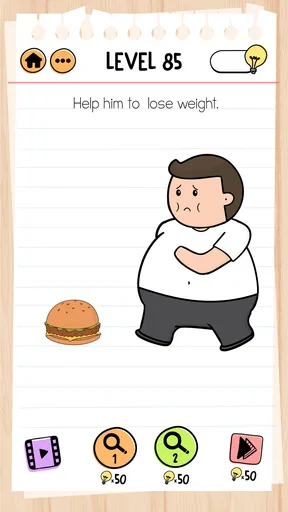
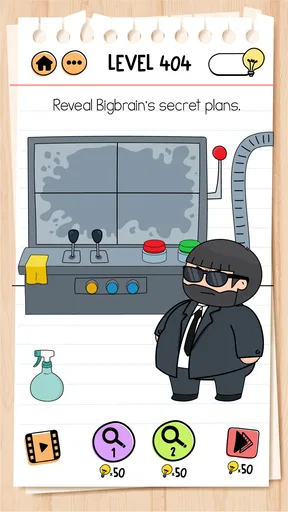
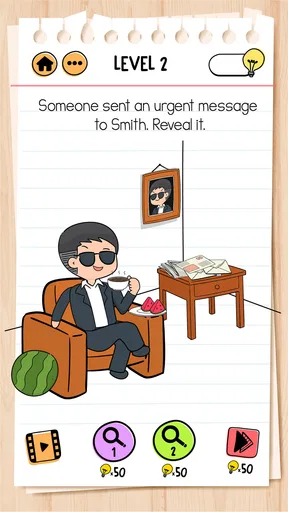
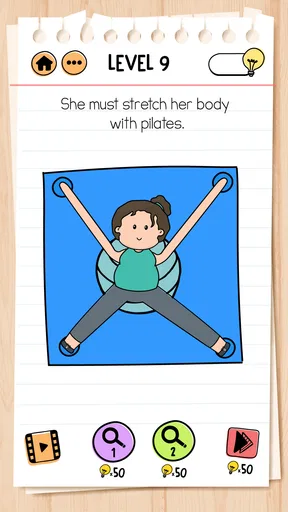
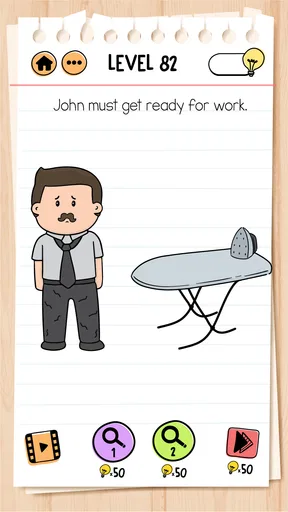
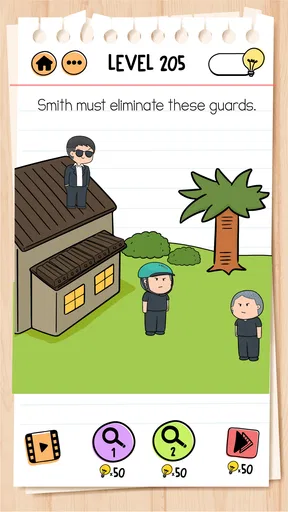
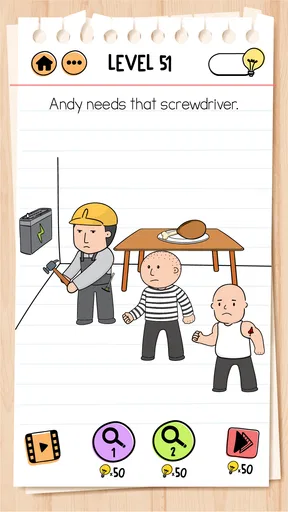
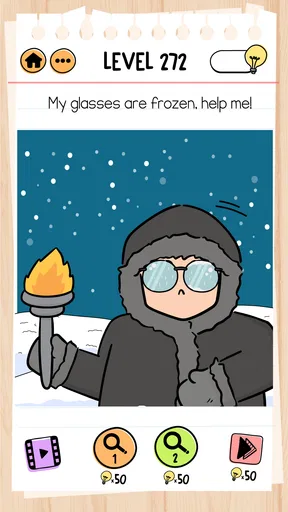
 Analysis by AppCompare
I reach for a story puzzle when I want a short change of pace rather than a long, demanding game session, and Brain Test 2: Tricky Stories fits that mood well. Its appeal is in the small surprises: a scene looks straightforward, then the solution asks me to notice a detail or try an idea that a conventional quiz would never accept. I find it playful and easy to pick up, though the same trick-first approach can occasionally feel more mischievous than fair.
At a glance, a game built around surprise
This is a free trivia and puzzle game from Unico Studio, released on May 16, 2020. The current version is 1.20.43, and it runs on Android 7.0 or later. It is rated Everyone 10+, has a 4.8 average from around 1.7 million ratings, and has passed 100 million installs. Those figures suggest a very widely played title, but what matters more in practice is that its bite-sized format makes it easy to try without committing a whole evening.
The game’s story framing gives each challenge a little context instead of presenting a bare question and four familiar answers. I like that distinction: when I open it for a few minutes, I am not just recalling facts, but inspecting a scene and working out what the game wants me to do. It is a good fit for someone who enjoys playful misdirection and doesn’t mind testing an odd idea before settling on a solution.
Guides and Analysis on Brain Test 2: Tricky Stories
A Whimsical Brain Teaser
So, what’s the deal with Brain Test 2: Tricky Stories? In essence, it’s a puzzle game designed to test your thinking skills and creativity. The app features a series of mind-boggling puzzles that require you to think outside the box. Each level is unique, with its own quirky storyline and characters. It’s like diving into a new adventure every time you solve a puzzle!
Gameplay and Features
The interface is as user-friendly as it gets. You’ll find yourself navigating through levels with ease. What’s cool is that each puzzle is more than just a question; it’s a story. You get to interact with characters and unlock different scenarios. The touch controls are smooth, making it easy to move objects around or select answers.
One thing I really appreciate is the hint system. If you ever get stuck on a particularly tricky puzzle, you can use hints to nudge you in the right direction. But beware, using too many hints might spoil the fun!
Learning the game’s visual language
Rather than treating the illustrations as decoration, I pay attention to how a scene is arranged. A character’s expression, an object that seems out of place, or the space around an item can be more useful than the obvious question. A practical habit is to pause before tapping and scan the whole picture once, then test one idea at a time. That keeps experimentation deliberate instead of turning the level into random tapping.
Worth Reading Before You Choose

Ludo King Makes the Most of the Minutes Between Plans

Baby Panda World Brings Quick Play to Modern Phones, but Its Game Library Feels Busy

ESPN’s Live Game View Makes Following Close Games Easier

QuizzLand Review: A Good Fit for Short Trivia Breaks, Not Every Player

Basketball Stars: Multiplayer Is Fast, but Can It Recover When Matches Go Wrong?

WEBTOON Turns Phone Updates Into a Better Reading Routine
This is also where the story format helps and sometimes gets in the way. A familiar-looking scene gives me a reason to care about what is happening, but the narrative is mainly a frame for the puzzle, not a deep story I would follow for plot alone. If I want a character-driven adventure with long conversations and a continuous arc, I would choose something else. Here, the pleasure is the quick visual joke or unexpected interaction.
Graphics and Sound
Visually, the game is a treat. The animations are quirky and colorful, perfectly complementing the whimsical nature of the puzzles. The sound effects and background music add an extra layer of enjoyment, making every solved puzzle feel like a mini celebration.
Why the pacing suits short breaks
The compact puzzle format is handy in ordinary gaps: I can open the game while waiting for a friend, play a level or two during a quiet break, and put it aside without needing to remember a complex set of controls. That makes it easier to fit into a day than a long-form puzzle adventure. I would not treat it as a reliable way to fill a specific amount of time, though; a puzzle that clicks quickly may be over almost at once, while one that resists can keep me thinking longer than planned.
For a useful low-friction routine, I try the scene on my own first, give myself a moment to look for a visual clue, and only then consider a hint. If I am playing with someone else, we can take turns proposing solutions before touching the screen. That turns a solitary level into a casual conversation, and it avoids one person immediately taking over. It works best with a friend who enjoys playful guesses rather than someone who wants every answer to follow strict logic.
When hints help—and when they take away the fun
A hint is most valuable after I have already described the problem to myself: what is the scene asking, what can I interact with, and what assumption might be wrong? Used at that point, it can redirect my attention without making the whole experience feel solved for me. If I tap for help as soon as I feel stuck, I lose the chance to enjoy the reveal. The trade-off is especially noticeable in a game built around surprise: knowing the trick can make a later replay less satisfying.
There is also a fairness limit to this style of puzzle. Sometimes the intended answer feels clever in hindsight; at other times, I may not see why that particular interaction should have been obvious. When that happens, I treat a hint as a way to move on rather than proof that I failed to think creatively. Players who prefer clear rules, one objectively stated question, or a steady rise in difficulty may find the game’s lateral leaps frustrating.
How it compares with other brain games
Compared with a standard trivia quiz, this asks less about what I know and more about how I interpret a visual situation. Compared with a traditional logic puzzle, it is lighter and more improvisational: I can try an unexpected action rather than work through a chain of formal deductions. That makes it approachable for casual play, but it also means the answer can depend on spotting the designer’s intended trick instead of applying a consistent rule.
I would choose it over a timed quiz when I want a relaxed, story-flavored challenge, and over a demanding puzzle game when I only have a brief pause. I would choose a conventional quiz for factual recall, or a more systematic logic game when I want rules I can reason through step by step. The distinction matters: this is not a test of general knowledge, and it is not the best match for someone who wants every answer to feel inevitable.
Who should give it a try
I would recommend it to casual puzzle fans, families looking for a light activity, and anyone who enjoys visual riddles more than memorizing facts. The Everyone 10+ rating gives a useful age guide, though an adult may still want to decide whether its particular humor and puzzle style suit the people playing. Because a level can invite discussion, it can also work as a shared screen activity on a commute or at home, as long as the group is happy to guess together rather than race.
It is less suited to players who dislike trial and error, want a serious narrative, or expect a puzzle game to teach a structured skill. It can entertain and prompt flexible thinking, but I would not mistake it for a formal brain-training plan. Nor is it my first choice when I need to play with uninterrupted concentration: its short, self-contained challenges are a strength for breaks, not a substitute for a deeper campaign.
Cost and practical expectations
The game is free to start, with in-app purchases ranging from $1.99 to $8.99 per item. That means the basic decision is simple: try the core experience and see whether the puzzle style suits you before spending anything. I would keep purchases separate from the question of whether a particular level is enjoyable; paying is not a fix for a puzzle that simply does not match your taste. If you prefer to avoid optional spending, check the purchase prompts carefully and make that choice deliberately.
For a parent or anyone sharing a device, it is sensible to review purchase settings before handing over the phone. For a player deciding whether the game will run, the Android minimum is version 7.0; the current release is 1.20.43. Those are practical checks, but the more important one is personal: do you like being asked to think sideways, even when a solution seems a little cheeky? If yes, the format has a good chance of landing.
Graphics and Sound
Visually, the game is a treat. The animations are quirky and colorful, perfectly complementing the whimsical nature of the puzzles. The sound effects and background music add an extra layer of enjoyment, making every solved puzzle feel like a mini celebration.
Why You’ll Love It
If you’re someone who loves a mental challenge, this app is right up your alley. It’s not just about solving puzzles; it’s about enjoying the journey each story offers. With each level, you’re not just a player; you’re a part of a larger narrative. The game encourages lateral thinking, which is a fancy way of saying you’ll need to think differently to succeed.
Another great aspect is its replay value. Even after you’ve completed all the levels, you can revisit your favorites or challenge friends to see who can solve them faster. It’s addictive in the best possible way!
Final Thoughts
In a nutshell, Brain Test 2: Tricky Stories is a delightful escape from the mundane. It’s a game that challenges you, entertains you, and occasionally leaves you scratching your head. If you’re looking for an app that’s both fun and mentally stimulating, give it a shot. You might just find yourself pleasantly surprised by how much you enjoy these tricky stories!
Pros
- Engaging puzzles keep users entertained.
- Improves critical thinking skills.
- No internet required for play.
- Regular updates with fresh content.
- User-friendly interface and design.
Cons
- Ads can interrupt the gaming experience.
- Some puzzles may feel repetitive.
- In-app purchases can be pricey.
- Limited hints without purchase.
- Occasional bugs may affect gameplay.
FAQs for Brain Test 2: Tricky Stories
What is Brain Test 2: Tricky Stories?
Brain Test 2: Tricky Stories is a puzzle game designed to challenge your logical thinking and problem-solving skills. It offers a series of tricky and humorous levels where players must think outside the box to find solutions. The game combines engaging storytelling with brain-bending puzzles.
Is Brain Test 2 suitable for all ages?
Yes, Brain Test 2 is designed to be family-friendly and suitable for players of all ages. The puzzles are crafted to be fun and challenging without inappropriate content, making it a great choice for both children and adults to enjoy together.
Does Brain Test 2 require an internet connection to play?
Brain Test 2 can be played offline, which makes it convenient for users who want to enjoy the game without an internet connection. However, some features, such as updates or additional content, may require an online connection.
Are there in-app purchases in Brain Test 2?
Yes, Brain Test 2 includes in-app purchases. Players can buy hints or skip levels if they find certain challenges too difficult. While these purchases can enhance gameplay, they are optional, and players can still enjoy the game without spending money.
How does Brain Test 2 differ from the original Brain Test game?
Brain Test 2 builds upon the success of the original game by introducing new characters, stories, and puzzles. It offers a more narrative-driven experience with themed levels and diverse challenges, providing a fresh and engaging twist on the original's beloved brain teasers.


